
Most founders don't have a visibility problem - they have a 'sameness' problem. If your market sees five businesses offering roughly the same thing at roughly the same price, brand differentiation examples become far more useful than another lecture about "being unique".
Here's the uncomfortable bit... customers rarely choose the safest brand in the room, they choose the clearest one - he one they understand fastest, remember longest and trust the most. That's what differentiation's really about. Not about being quirky for the sake of it. It's about becoming the obvious choice instead of just another option.
What brand differentiation actually looks like
A lot of businesses hear the word differentiation and immediately think logo, or colour palette, or a quirky social media voice. Those things can help, but they're not the driving force. Differentiation starts earlier, in what you stand for, who you are for, how you frame your offer and what experience people associate with your name.
The strongest brands are not just visually distinct, they're strategically distinct. They make sharper choices, leaving some people cold so the right people lean in harder. That's the trade-off many founders try to avoid, and it is exactly why their branding ends up looking like ketchup - familiar, inoffensive and instantly forgettable.
9 brand differentiation examples founders can learn from
1. Price differentiation - Aldi
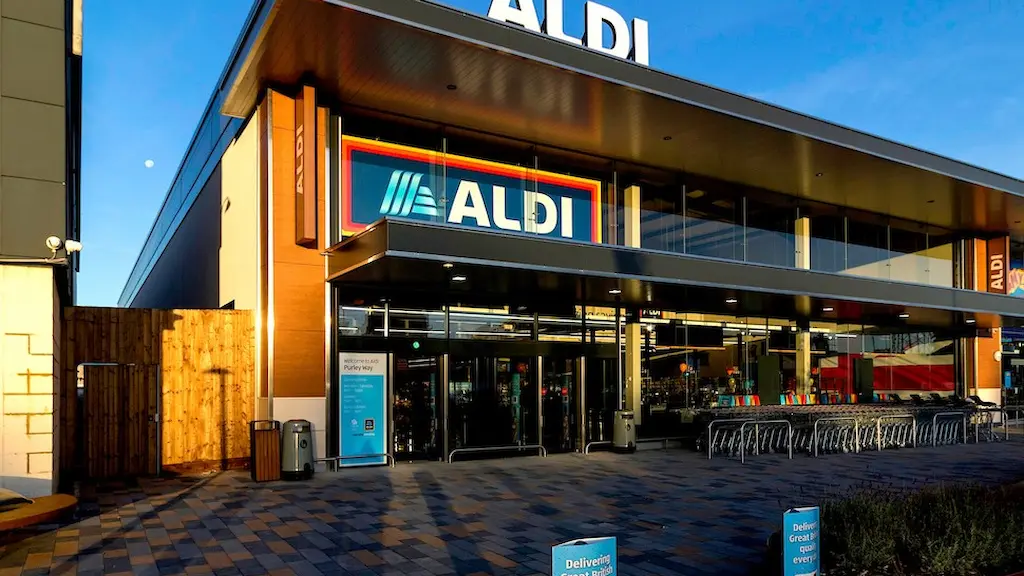
Aldi didn't win by pretending to be a luxury supermarket. It built its position around stripped-back efficiency, lower prices and a no-nonsense shopping experience. Even its store design supports the same promise - fewer frills, faster shop, better value.
That works because the brand, the model and the customer expectation all line up. Price-led differentiation is powerful, but only if your business can operationally sustain it. If you charge less but deliver a chaotic experience, people won't see value, they'll see risk.
2. Premium differentiation - Apple
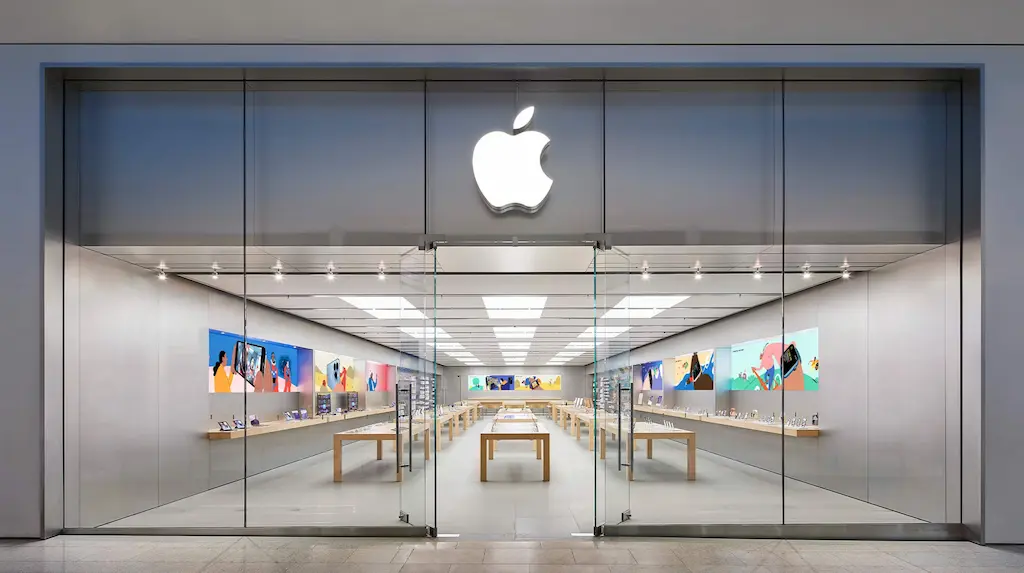
Apple's the classic premium play, but the real lesson isn't "charge more". It's that premium branding only works when every part of the experience backs it up - product design, packaging, retail environment, interface and messaging all reinforce the sense of control and polish.
For founders, the takeaway's simple. Premium isn't a font choice, it's a promise. If your sales process feels clunky or your website looks rushed, premium positioning collapses fast.
3. Niche audience differentiation - Monzo in its early growth phase
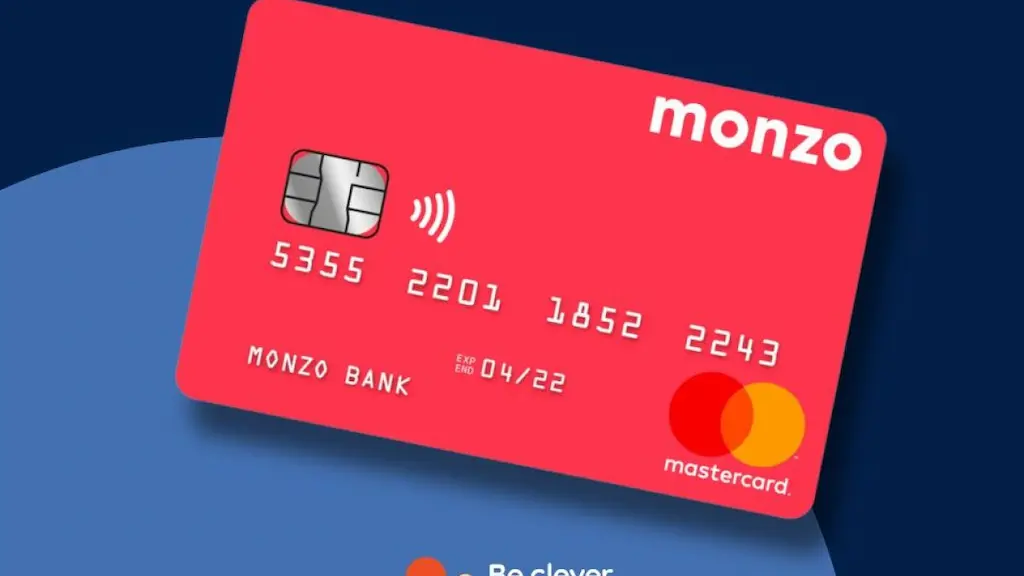
Monzo didn't begin by trying to be everyone's bank. It attracted digitally confident customers who were frustrated with traditional banking. The bright coral card helped, yes, but the stronger move was building a product and voice for people who wanted transparency, speed and a more modern relationship with money.
Niche differentiation often looks smaller at first, and that can make founders nervous, but going narrow usually makes you more visible, not less. If you try to appeal to everybody on day one, you usually disappear into the middle.
4. Category reframing - Innocent Drinks
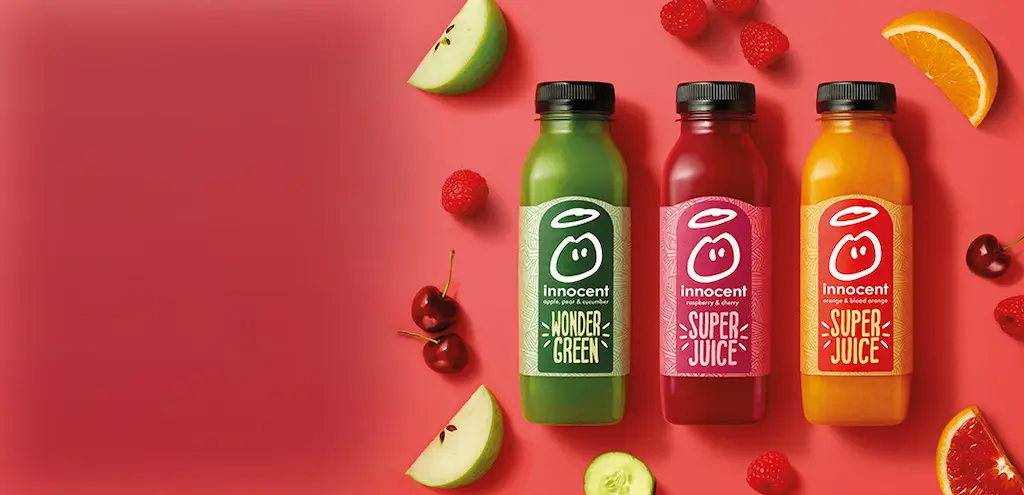
Innocent made smoothies feel less like a functional beverage and more like a friendly, human brand choice. Its packaging, tone of voice and visual simplicity turned an everyday product into something with personality.
That is a useful example because it shows differentiation isn't always about inventing a new product... sometimes it's about reframing how an existing category feels. When everyone else sounds corporate, clinical or generic, a brand with warmth and wit can reset customer expectations.
5. Values-led differentiation - Patagonia
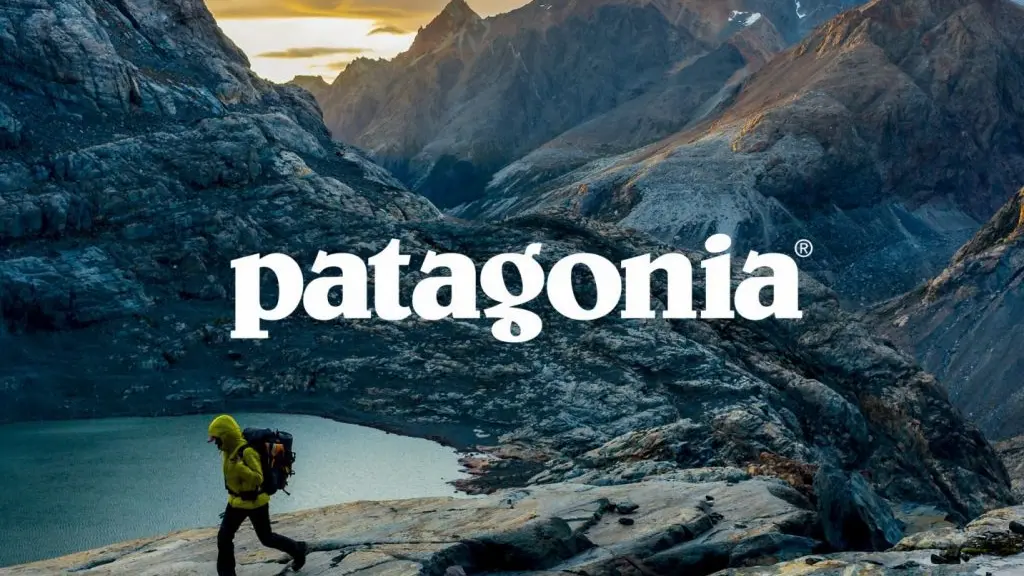
Patagonia doesn't just mention environmental values when convenient. It's built them into product decisions, campaigns and business behaviour. That consistency gives the brand credibility.
This is where many smaller brands get it wrong. They try to differentiate with values because it sounds good on an 'About' page, but nothing in the customer experience proves those values matter. If your brand leads with ethics, sustainability or inclusion, people will look for receipts. And that's fair enough if that's what you sell.
6. Service model differentiation - First Direct
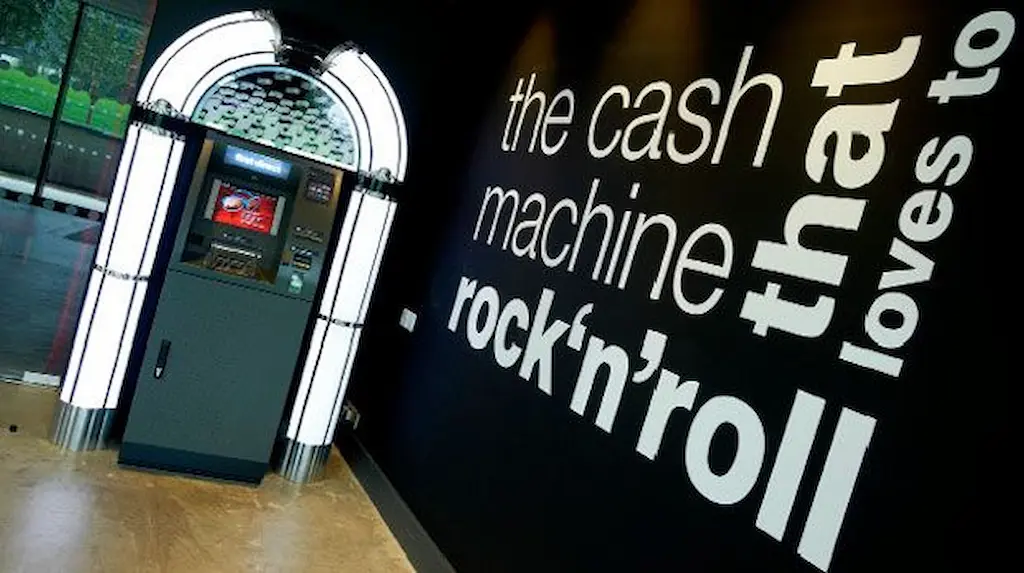
In a category where poor service is often treated as normal, First Direct built a reputation around customer support. It made service the product advantage, not an afterthought.
For service-based founders, this one matters. You may not need a radically new offer to stand out. Faster response times, clearer processes, better onboarding and a more thoughtful client journey can become your brand difference. Boring businesses become memorable all the time when they are simply easier to buy from.
7. Visual identity differentiation - Oatly
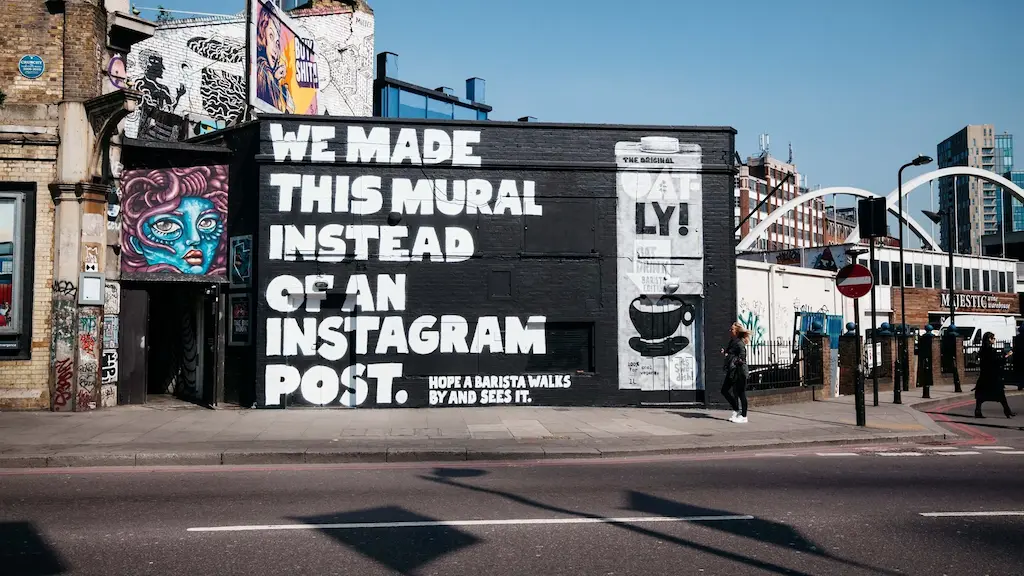
Oatly is proof that design can punch well above its weight when it is tied to a clear point of view. Its typography, packaging and irreverent copy are instantly recognisable, but they work because they express a broader brand stance - challenger, outspoken, self-aware.
This is the distinction founders need to understand. Visual identity isn't decoration, it's a delivery system for strategy. Distinctive design with no strategic backbone is just noise, but when the design reflects a strong brand position, it becomes commercial memory.
8. Expertise differentiation - Gymshark
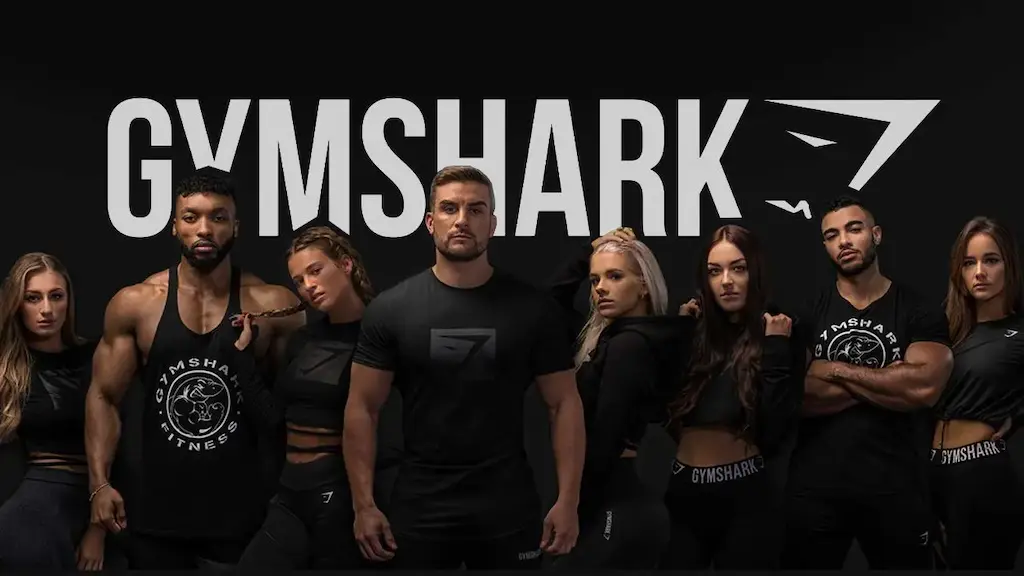
Gymshark grew by understanding a specific fitness audience and building cultural relevance around that world. It didn't just sell activewear, it positioned itself close to the ambitions, aesthetics and communities of its customer base.
Expertise-led differentiation works especially well for personal brands, consultants and specialist businesses. If your knowledge is your edge, your branding should not sound broad and vague. It should make your expertise feel specific, current and worth paying for.
9. Experience differentiation - Airbnb
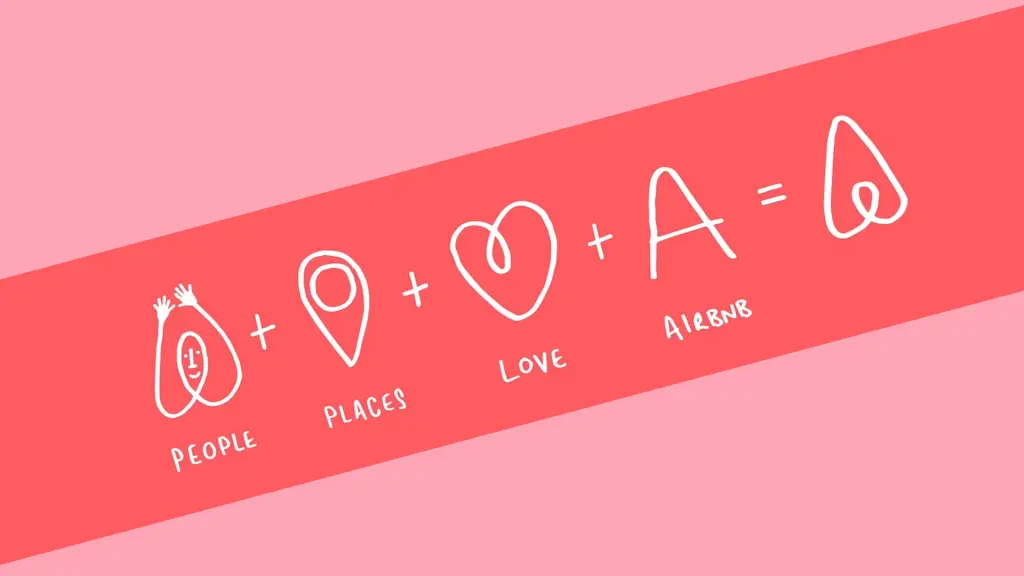
Airbnb differentiated by selling a more personal, local and flexible travel experience than a standard hotel stay. The real shift was emotional as much as it was functional - people were not just booking accommodation, they were buying a different way to travel.
Experience differentiation is valuable because it changes how customers tell the story back to themselves. Founders should ask: "What's it like to buy from us, work with us or be part of our world?" If the answer feels identical to everyone else in your category, that is where the work starts.
What these brand differentiation examples have in common
The best brand differentiation examples are not random acts of creativity, they're disciplined choices repeated consistently. A successful brand picks a lane, builds evidence around it and makes that difference legible at every touchpoint.
That last point's really important because a strong position hidden behind weak branding still struggles. A distinctive logo attached to vague messaging also struggles. The magic's in alignment - strategy, offer, identity, website, customer journey and tone all saying the same thing.
This is why copying surface features never works for long. You can borrow a colour, mimic a tone or recreate a website style, but if the underlying position is fuzzy, the brand still feels generic. Customers can sense when a business is performing difference rather than owning it.
How to apply this to your own brand
Start by getting brutally honest about what category you're actually in, not what you wish people thought. What they currently compare you against - your real competitors are the brands customers mention in the same breath as yours, not just the businesses you personally admire.
Then look at the market and ask a harder question: "Where's everyone gathering? Usually it's around the same promises of quality, passion, friendly service, bespoke approach, trusted team. That's not differentiation, that's just the baseline.
The better question's what you want to be known for that others either cannot claim, will not claim or cannot deliver as consistently. That might be speed. It might be a sharper niche. It might be a bolder point of view, a premium process, a clearer methodology or a more opinionated customer experience.
There's always a trade-off. The more defined your brand becomes, the less universally appealing it may feel. Good! This is the textbook definition of 'Less is More'!
Once you have your position, pressure-test it through the basics. Does your visual identity reflect it, or contradict it? Does your website communicate it in seconds, or bury it under generic waffle? Does your sales language make you sound distinct, or interchangeable? If a prospect removed your logo from the page, would they still know it is you?
That is where many emerging brands stall. They have a decent service, a decent offer and decent intentions, but their branding does not convert because it does not differentiate. It asks to be considered rather than chosen.
For founders serious about growth, that is the real cost of looking like everybody else. Not just lower attention, but slower trust, weaker pricing power and more friction in the sale.
If you want your brand to work harder, stop asking whether it looks nice. Ask whether it draws a line in the market. The brands that win aren't always the loudest, they're the clearest, the bravest and the most consistent about why they deserve to exist.