TL;DR
If brand design didn’t matter, companies would compete on products alone… but they don’t, because products are easy to copy.
Strong brand design makes businesses recognisable, trustworthy, and easier to choose. Data consistently shows that companies investing in design and brand consistency grow faster, earn more, and build longer-term value.
Nike isn’t an exception; it’s a definitive case study about what happens when design becomes a strategic advantage rather than a artistic or cosmetic one.
There’s a comforting myth that floats around business conversations, which goes like this:
"If the product's good enough, the rest will take care of itself."
Branding, in this misguided version of Business 101, is "nice-to-have", but, generally something you get to later… you know, a logo, some colours, and a couple of fonts (FYI it's typefaces!!) as the finishing touch.
In practice, that belief can quietly costs businesses a shit-ton of profit, because while products can be copied, optimised, and undercut so fast nowadays, brands work differently, a strong brand, expressed through clear, strategic and consistent design, becomes a shortcut in the customer’s mind. It reduces friction and builds trust before a single feature's compared, and it makes choosing feel obvious and easy.
This is why brand design isn’t decoration - it’s an essential pillar for success.
Decisions are made faster than people admit
Most buying decisions aren't the result of deep analysis. They’re fast, emotional, and heavily influenced by familiarity. Research into first impressions shows that people form judgements about brands in seconds, often before reading any substantive information. Visual cues do most of the work early on.
That matters because in crowded markets customers don’t want to work harder to decide. They want clarity. They want signals that say this feels credible, this feels right, this feels familiar enough to trust.
Consistent brand design provides those signals. Multiple industry reports have found that brands presenting themselves consistently across touch-points see significantly higher revenue than those that don’t - commonly in the 20–30% range. Consistency doesn’t just make things look nicer; it reduces uncertainty, and uncertainty's what stops people buying.
Why Nike keeps coming up
Nike's often used as a shortcut in branding conversations, not because it’s fashionable, but because it demonstrates the point so cleanly.
Nike’s dominance isn’t just the result of product innovation - plenty of companies make excellent athletic wear. What Nike built, deliberately and over decades, is a recognisable identity that carries meaning:
Performance | Ambition | Belonging | Confidence
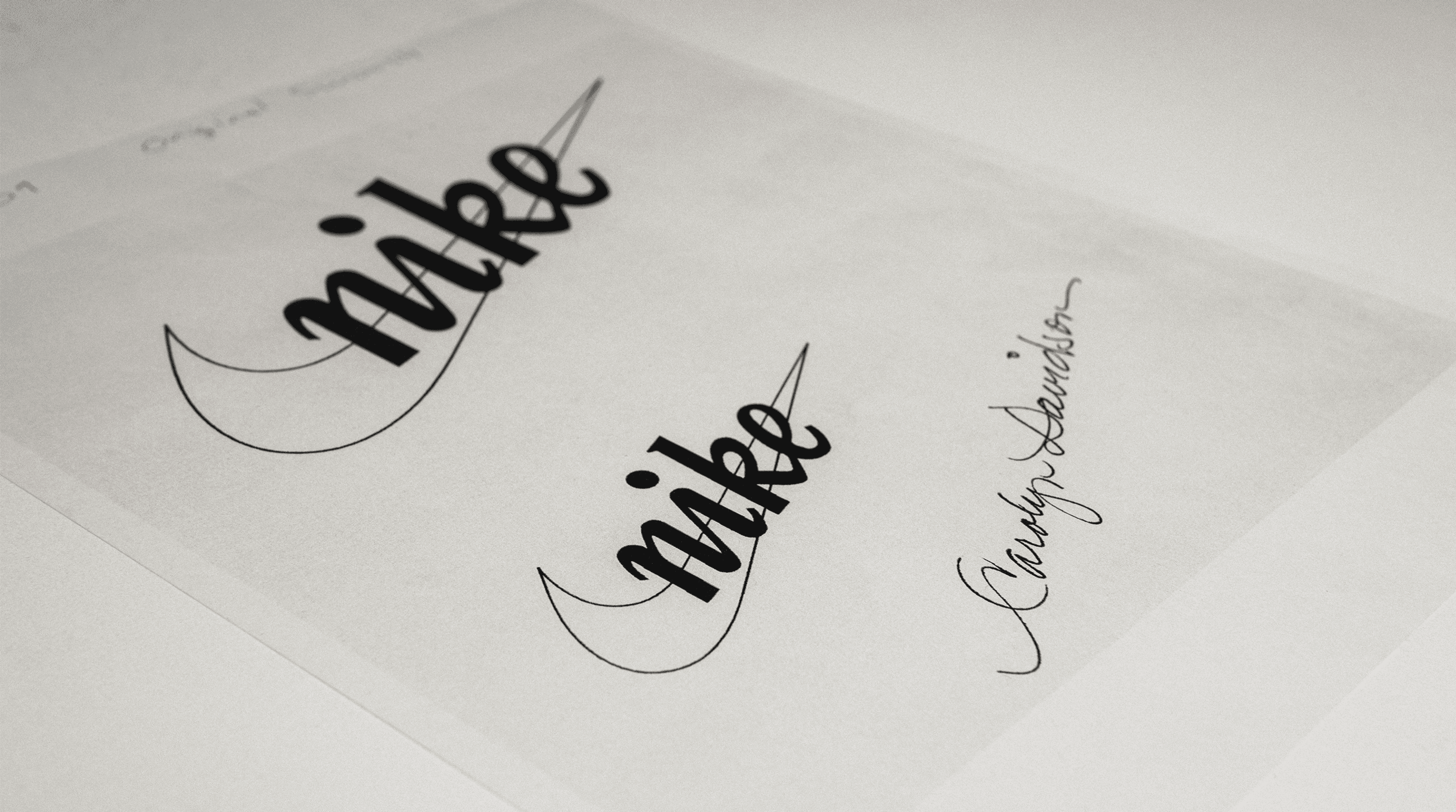
Those ideas are communicated instantly through design, language, and repetition. That’s why the swoosh works as a symbol. It’s not explaining anything. It doesn’t need to. It triggers recognition and emotion first, logic later.
Nike’s brand value, tracked by organisations like Interbrand, sits in the tens of billions. That value isn’t inventory or patents, but the accumulated effect of being recognisable, trusted, and culturally present. If brand design didn’t matter, that number wouldn’t exist.
The financial case for design isn’t subtle anymore
For a long time, brand design lived in the 'hard to measure' category. That’s changed.
McKinsey’s research into design-led companies found that organisations scoring highly on design maturity consistently outperformed their competitors in revenue growth and shareholder returns over several years. The pattern held across industries. Design, when executed strategically, correlated with better business outcomes.
This isn’t because design magically fixes broken companies, but because organisations that take design seriously tend to make clearer decisions, communicate more coherently, and build systems that scale without constant friction.
Put simply, good design makes companies easier to run and easier to buy from.
When design becomes leverage, not polish
You can see this play out clearly in real-world examples.

When Slack reworked its visual identity with Pentagram, the motivation wasn’t aesthetics. The previous logo caused real problems in use - it was difficult to reproduce accurately and inconsistent across contexts. The redesign created a system that was flexible, recognisable, and easier for teams to deploy without error. That’s brand design improving operations, not just appearance.

Mailchimp took a different approach.
In a category dominated by safe, anonymous SaaS branding, it leaned into personality - its design, tone of voice, and campaigns made it distinctive and memorable in a space where most competitors blended together. That distinctiveness helped Mailchimp evolve from “an email tool” into a brand people recognised and remembered.
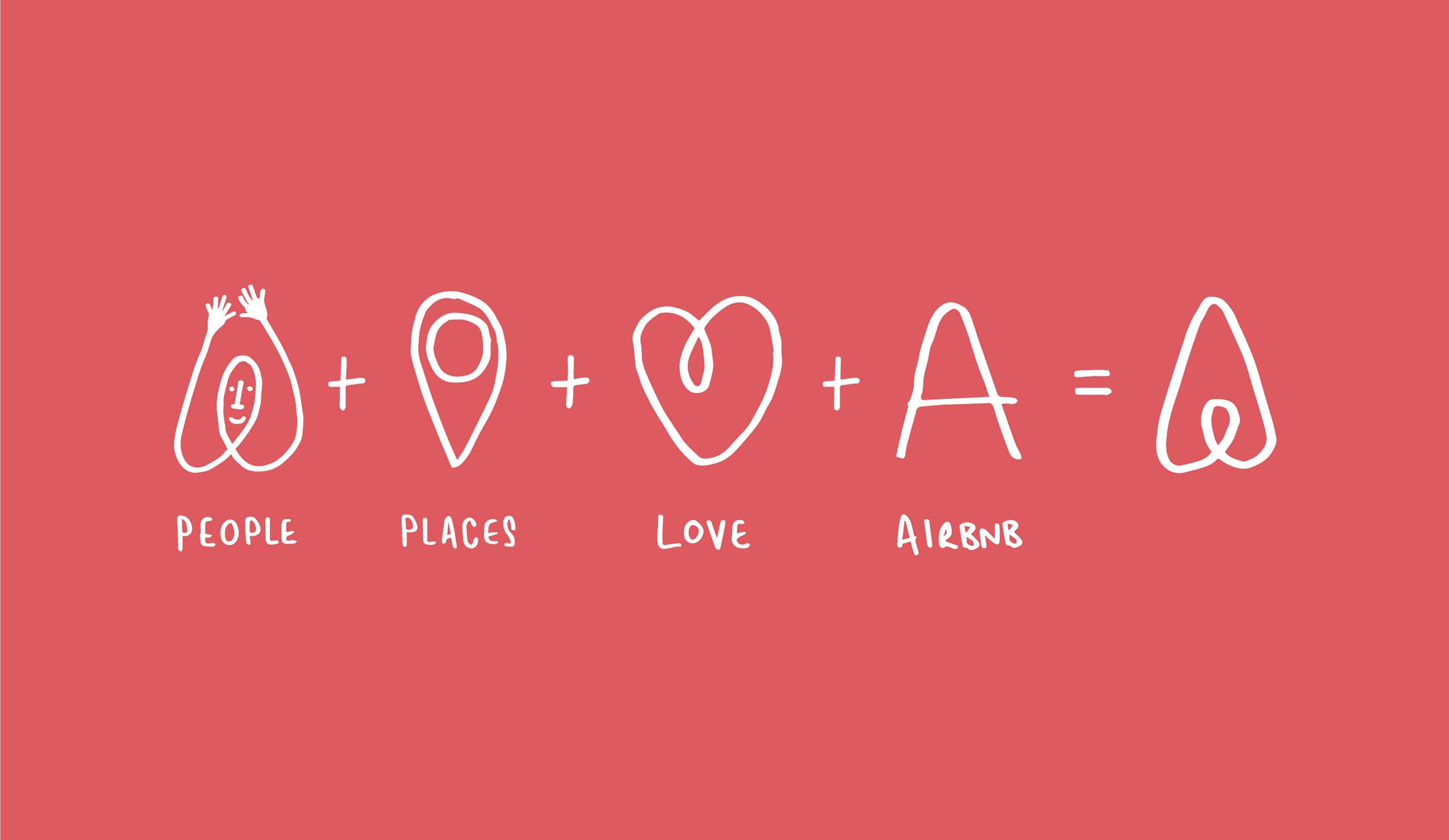
Airbnb’s transformation is perhaps the clearest example of design driving perception. Its rebrand reframed the company from a transactional booking platform into a brand centred on belonging and experience. The visual identity wasn’t just for show - it was a vehicle for a new story about what the company was.
In each case, design wasn’t the final layer - it was part of how the business positioned itself in the market.
Most brands don’t have a design problem, they have a sameness problem
Look across almost any industry and patterns repeat themselves - similar colour palettes, language and headline messaging. Everyone wants to sound premium, or human, or cutting edge, and the result is a sea of brands that are technically competent, but difficult to distinguish.
This is where underdeveloped brand design quietly becomes a big fat barrier to growth.
When customers can’t remember you, you’re forced to rely on constant promotion to stay visible. When you’re recognisable, awareness builds. Familiar brands get trusted faster, forgiven more easily, and chosen more often, even when cheaper or newer alternatives enter the market.
This isn't just marketing hype - it’s how people's minds work.
The Meat 'n Potatoes bit…
Brand design isn’t just about looking good - it’s about making your business easy to recognise, easy to trust, and easy to choose.
If your logo disappeared tomorrow and nothing else about your brand would still feel recognisable, that’s not a logo issue. It’s a design strategy issue.
Nike isn’t proof that branding only works at massive scale. It’s proof that when design's treated as a strategic asset (and not a cosmetic task) it creates an advantage that competitors will always struggle to replicate.
If brand design didn’t matter, everyone would be Nike.