'Open Britain' Photography Project
'Open Britain' Photography Project
From a photography project to a brand people can engage with…
From a photography project to a brand people can engage with…
From a photography project to a brand people can engage with…
Overview
Overview
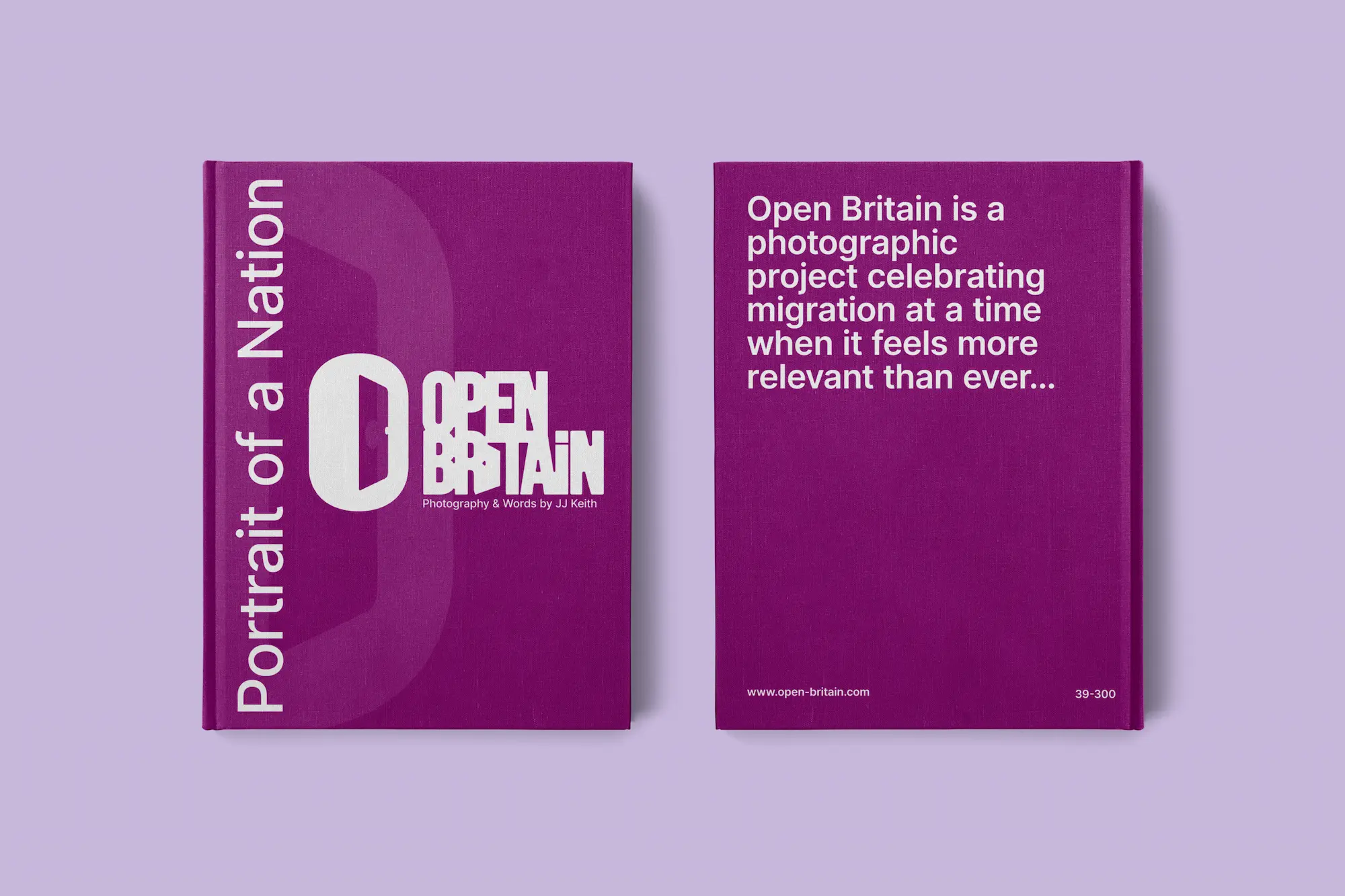
Open Britain is a photography project built to celebrate Britain’s diverse migrant population - a collection of real stories, real people, and real perspectives captured through a human lens.
But like many projects rooted in purpose, it existed more as an idea than a defined presence.
There was no clear identity, no consistent way to present the work, nothing that allowed people to instantly understand what it stood for.
When something like this isn’t clearly expressed, it risks being overlooked no matter how important it is.
But like many projects rooted in purpose, it existed more as an idea than a defined presence.
There was no clear identity, no consistent way to present the work, nothing that allowed people to instantly understand what it stood for.
When something like this isn’t clearly expressed, it risks being overlooked no matter how important it is.
Process
Process
Let the photography speak… but make sure it’s heard
Let the photography speak… but make sure it’s heard
This wasn’t about adding branding on top.
It was about creating something that could carry the weight of the subject matter.
Because Open Britain isn’t a corporate brand.
It’s a reflection of people, culture, and identity.
So the focus became:
Creating an identity that respects the work, not overshadows it
Building something flexible enough to hold many different stories
Establishing clarity, so the message lands immediately
The visual identity was designed to support the project, not compete with it - a clean, considered logo that anchors the initiative, that brings consistency across different pieces, and turns individual images into a cohesive narrative
Every element was designed with restraint because when the subject matter is this human, the design shouldn’t shout over it.
This wasn’t about adding branding on top.
It was about creating something that could carry the weight of the subject matter.
Because Open Britain isn’t a corporate brand.
It’s a reflection of people, culture, and identity.
So the focus became:
Creating an identity that respects the work, not overshadows it
Building something flexible enough to hold many different stories
Establishing clarity, so the message lands immediately
The visual identity was designed to support the project, not compete with it - a clean, considered logo that anchors the initiative, that brings consistency across different pieces, and turns individual images into a cohesive narrative
Every element was designed with restraint because when the subject matter is this human, the design shouldn’t shout over it.
Logo Mark
Logo
Logo Mark
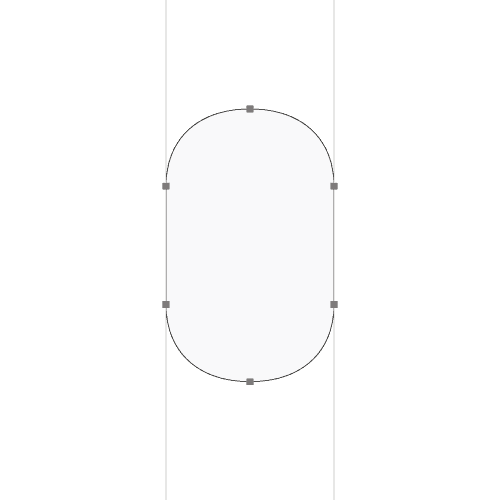
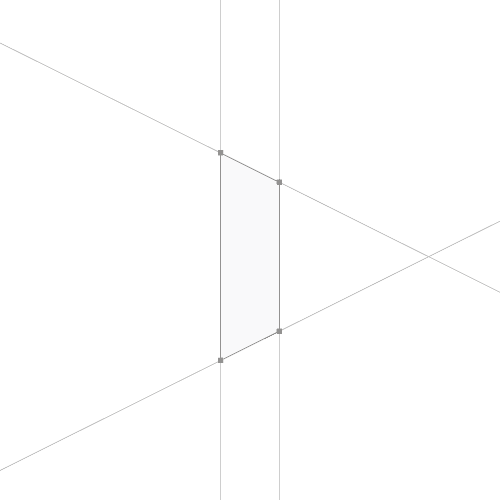
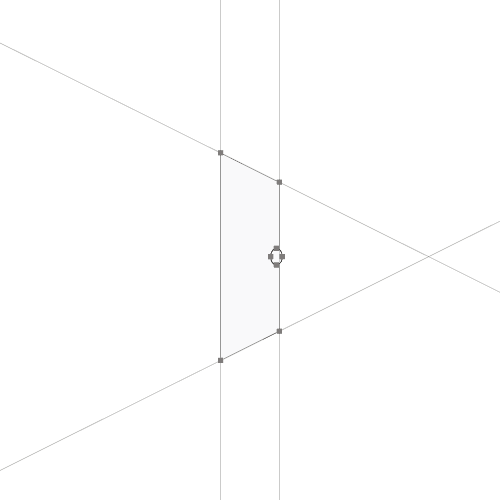
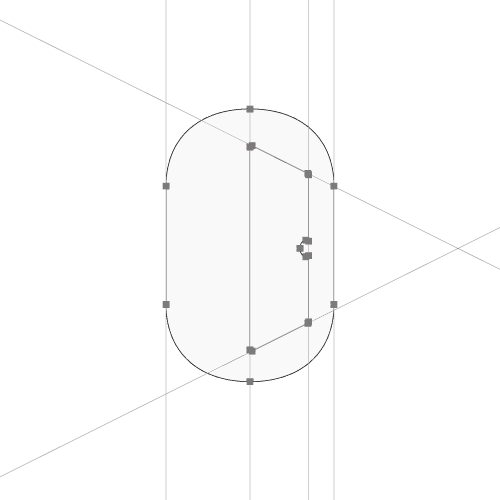
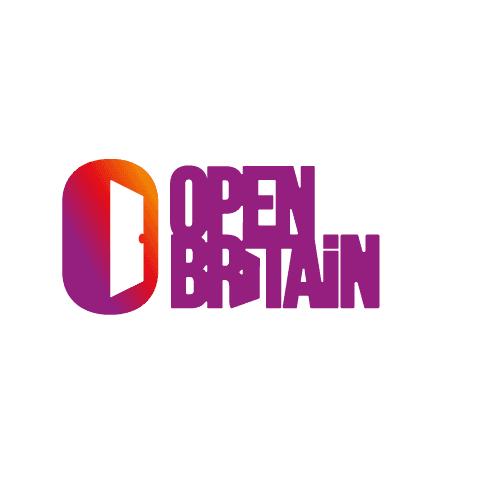
We crafted the logo with a combination of the letter 'O' and then an open door which also acted as the letter 'B' in the negative space.
We crafted the logo with a combination of the letter 'O' and then an open door which also acted as the letter 'B' in the negative space.



Word Mark
Word Mark
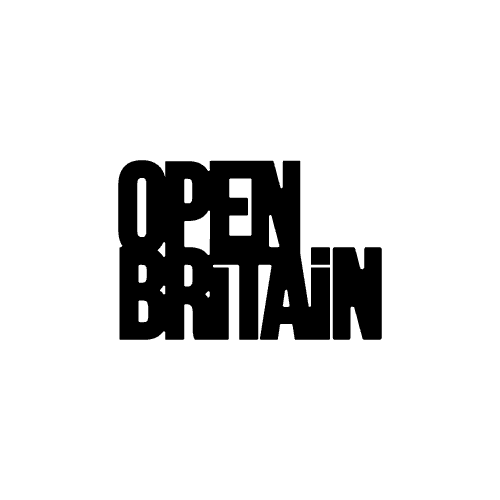
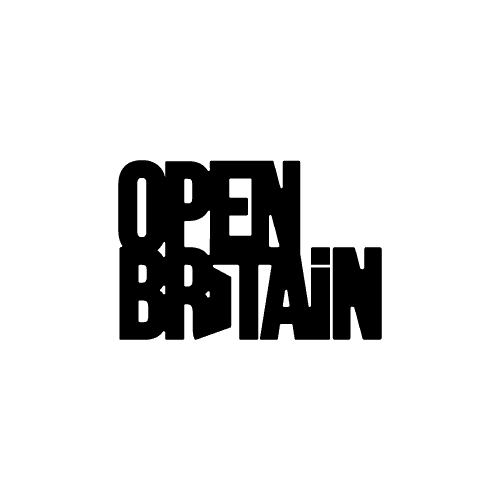
For the word mark, we followed a similar design path, using the same typeface as the base line and incorporating a doorway in negative space within the mark.
For the word mark, we followed a similar design path, using the same typeface as the base line and incorporating a doorway in negative space within the mark.


The Outcome
Logo
The Outcome
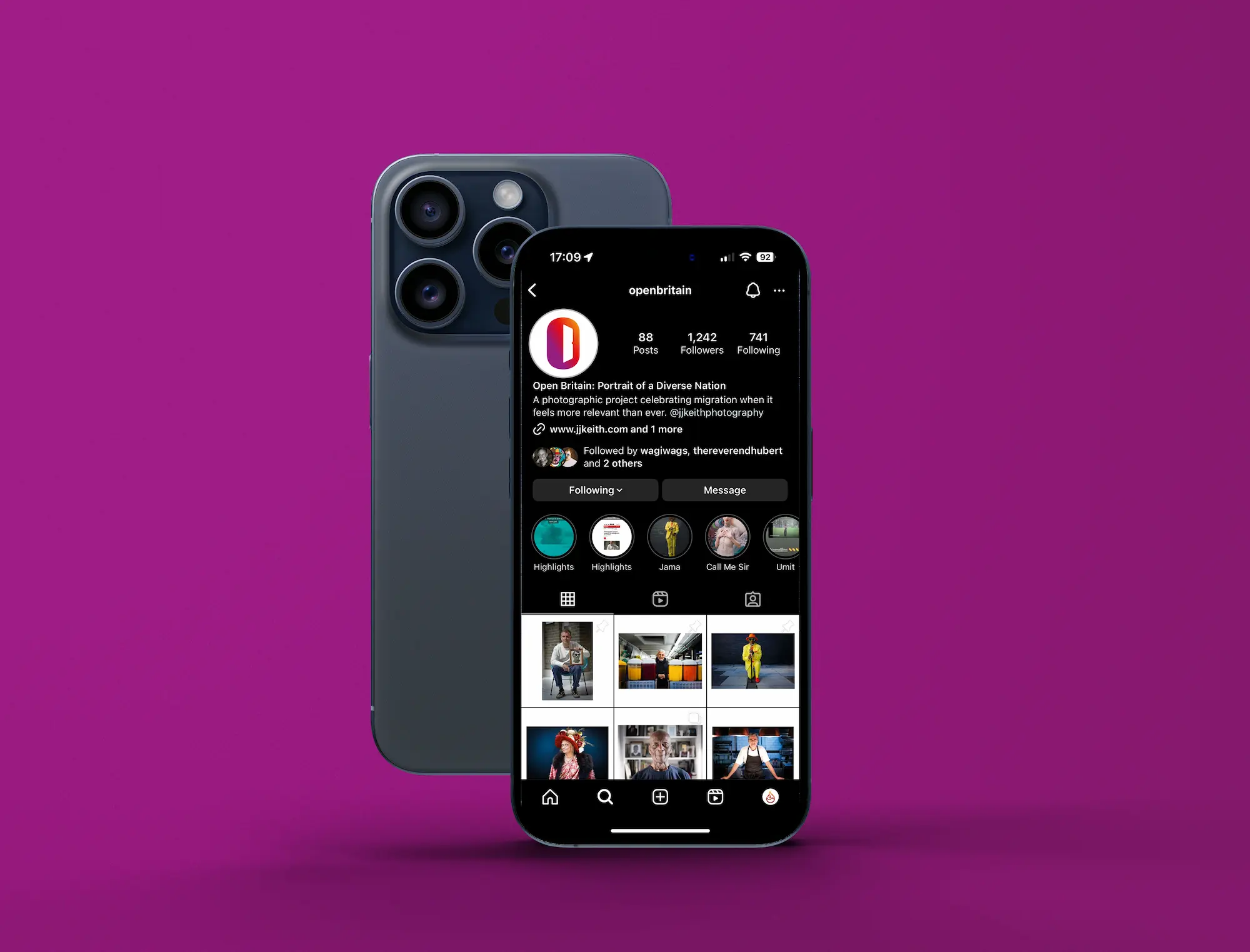
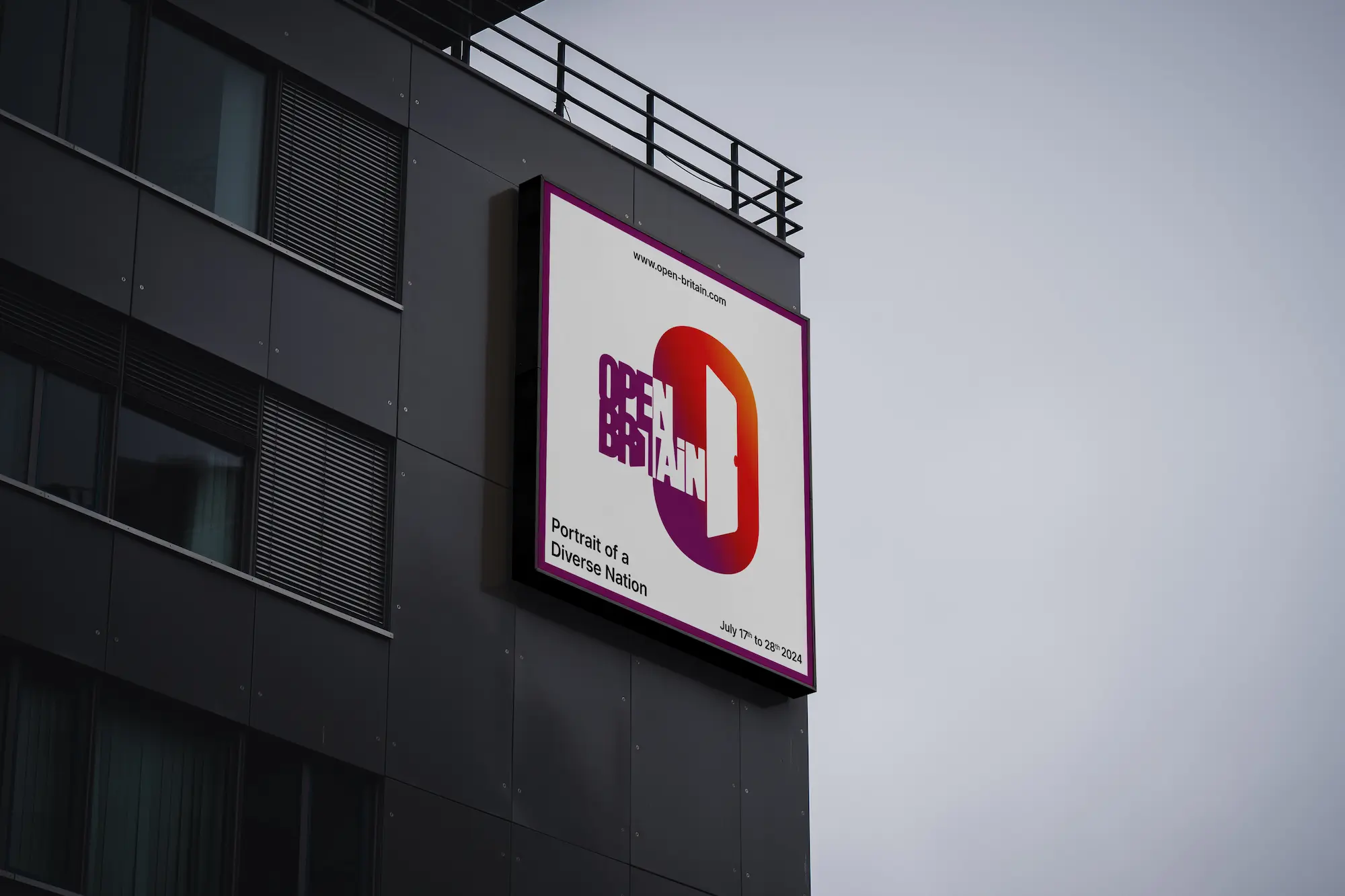
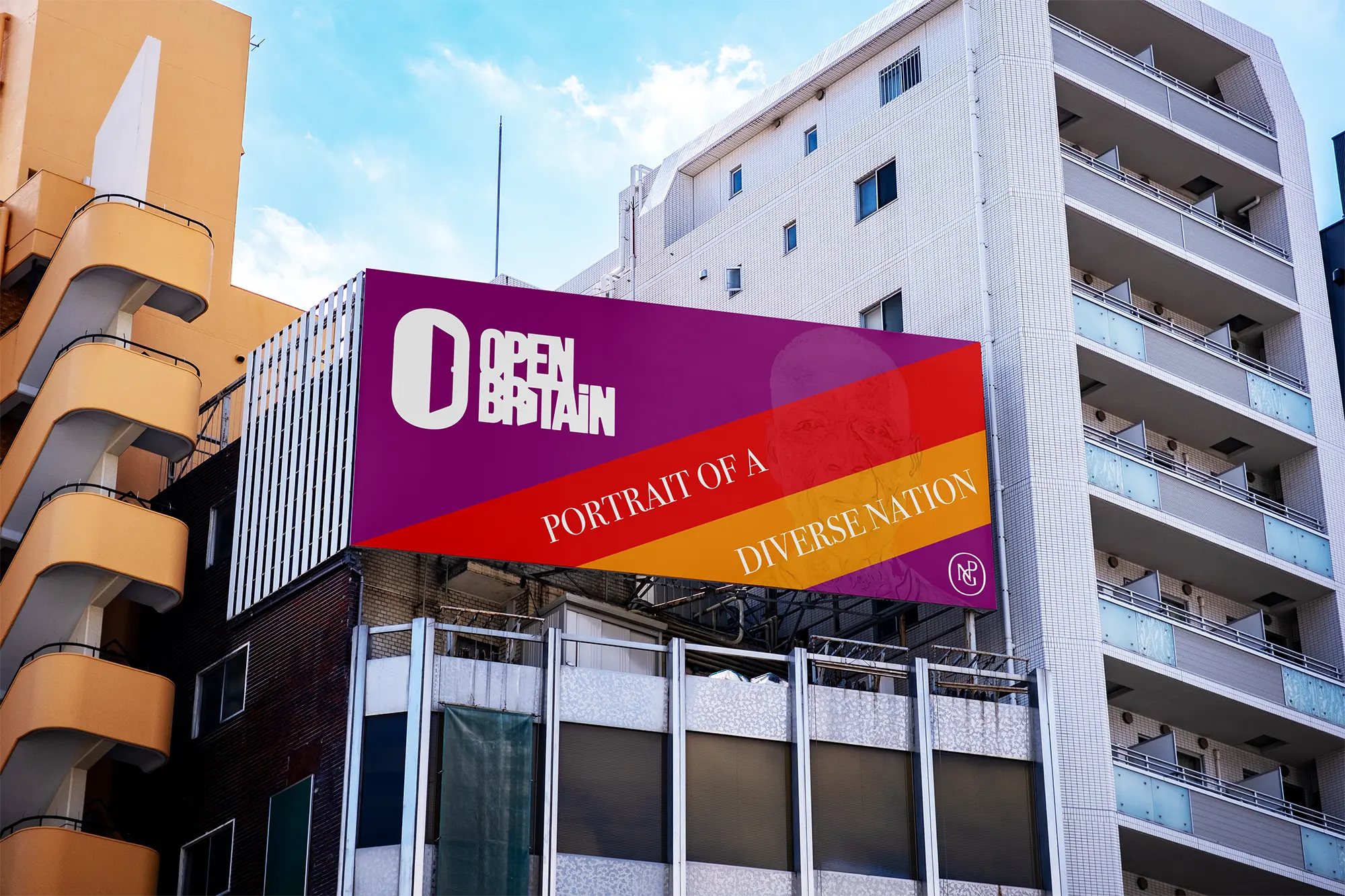
Open Britain moved from being a meaningful idea to something people could actually experience - something that could be shared, exhibited, and understood without explanation.
The identity gave it clarity, coherence, and presence which changed how people engaged and connected with it.
Some projects don’t need louder design, they need the right level of clarity and restraint, because when the message matters, the role of design isn’t to decorate it… it’s to make sure it resonates.
Open Britain moved from being a meaningful idea to something people could actually experience - something that could be shared, exhibited, and understood without explanation.
The identity gave it clarity, coherence, and presence which changed how people engaged and connected with it.
Some projects don’t need louder design, they need the right level of clarity and restraint, because when the message matters, the role of design isn’t to decorate it… it’s to make sure it resonates.